
The One Nutrient 95% of Americans Are Lacking (and Why It Matters)

12.30.25 04:16 PM - By Motion Connected

When trying to improve your diet or lose weight, you’re often met with countless opinions about what to eat, what not to eat, and even when to eat. It’s understandable that healthy eating can sometimes feel overly complicated.

But what if there were a single nutrient you could focus on increasing? One that helps ward off disease, supports heart health, and aids with weight loss? Not only does such a nutrient exist, but a whopping 95% of American adults and children aren’t getting enough of it. It’s something you’ve likely heard of before: fiber.

The Benefits

Fiber’s importance for heart health, digestion, and overall well-being is difficult to overstate. Here are just a few of its key benefits:

Cholesterol & Blood Sugar

Eating a diet high in fiber can help lower LDL cholesterol, often referred to as “bad” cholesterol. Foods that contain soluble fiber are particularly beneficial, as this type of fiber binds to cholesterol in the digestive tract and helps prevent it from being absorbed into the bloodstream.

Fiber also plays an important role in stabilizing blood sugar levels. By slowing down digestion, it slows the release of glucose into the bloodstream and helps prevent sharp spikes and crashes in blood sugar.

Fiber Keeps Us Regular

Digestive issues such as constipation or diarrhea can be uncomfortable and disruptive. Fiber helps regulate bowel movements, keeping them more consistent and easing common digestive discomfort.

Weight Management

If you’re aiming to lose weight or maintain your current weight, fiber is important. High-fiber foods help you feel fuller for longer, which can naturally reduce overall calorie intake. Fiber’s ability to regulate blood sugar also helps curb appetite, and soluble fiber may even reduce fat absorption.

Lowers Risk for Many Diseases

Populations that consume diets high in fiber tend to have lower rates of chronic disease. Increasing your fiber intake may help reduce your risk of:

Heart disease

High blood pressure

Colon cancer

Diverticulitis, constipation, and hemorrhoids

Obesity

Stroke

Type 2 diabetes

How to Get Started

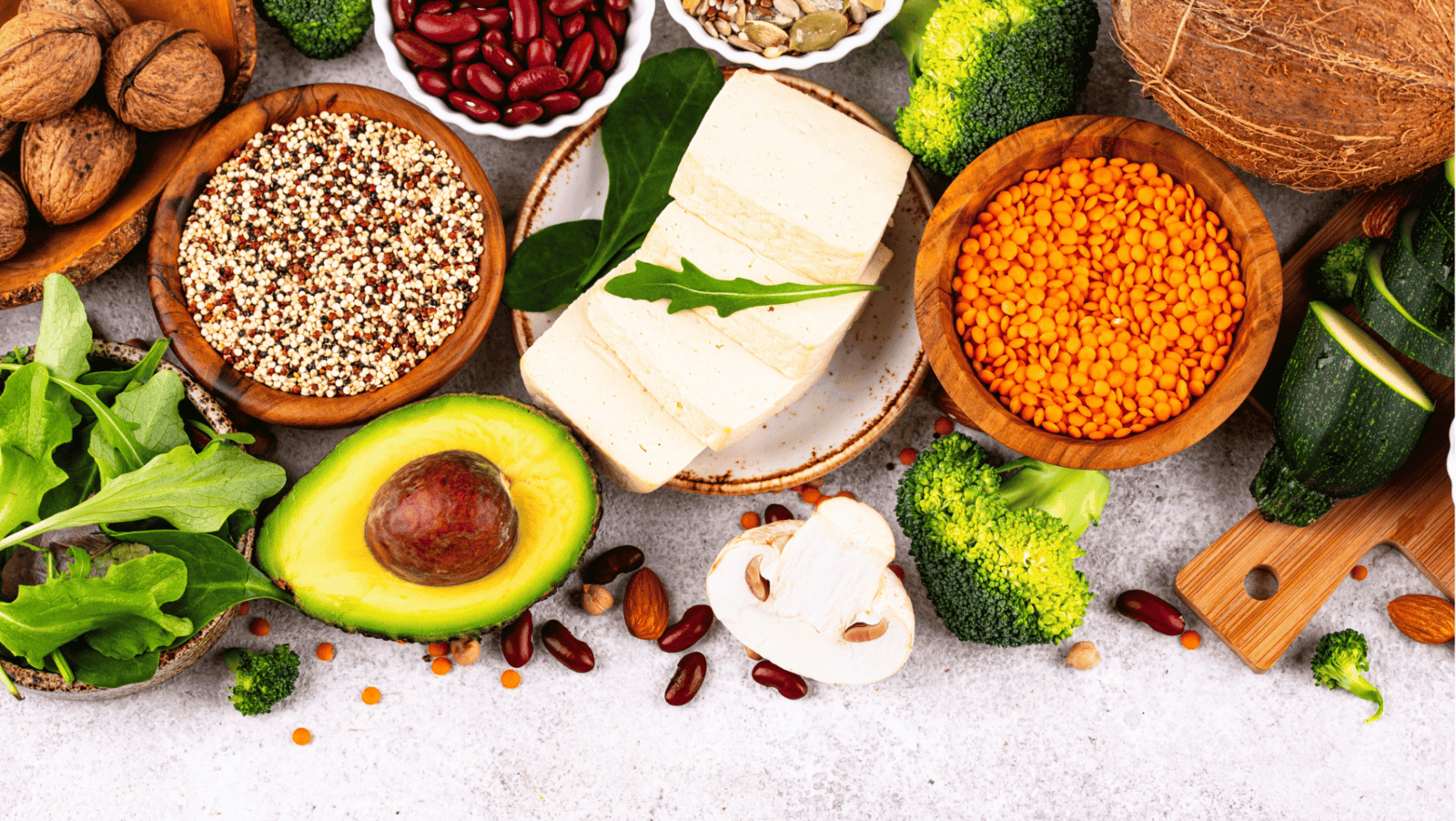
Foods high in fiber include vegetables, fruits, whole grains, legumes (such as beans and lentils), and nuts and seeds, especially when eaten in their whole, minimally processed forms. Fortunately, there are plenty of delicious ways to incorporate more fiber into your diet.


As you increase your fiber intake, be sure to do so gradually. Adding too much fiber too quickly can cause GI discomfort, such as bloating or diarrhea. Giving your digestive system time to adjust will help you feel your best.


For most adults, the recommended daily fiber intake is:

  • Women: 25–28 grams
  • Men: 28–34 grams

If you’re looking for a simple strategy to improve your health in 2026, boosting your fiber intake may be a great place to start!

Motion Connected