

When most people hear the term “gut health,” they think of digestion or how their body reacts to certain foods. But your gut is doing way more than just breaking down last night’s dinner.
Your digestive system is one of the most complex systems in your body. The good news? Supporting your gut doesn’t have to be complicated. A few simple, consistent habits can make a significant difference.
Let’s break down why gut health is so important and how to improve it in a way that feels realistic and sustainable.
Your Gut Does More Than Digest Food
Your digestive system is the largest part of your body’s internal processing system. Every time you eat or drink, your body begins a complex process of breaking those items down into nutrients — carbohydrates, proteins, fats, vitamins, and minerals.
Those nutrients aren’t just fuel. They’re the building blocks your body uses to:
- Repair tissues
- Produce hormones
- Maintain energy
- Support brain function
- Strengthen the immune system
When your gut isn’t functioning optimally, it doesn’t just affect digestion. It can impact your entire body.
Exercise: One of the Best Things You Can Do for Your Gut
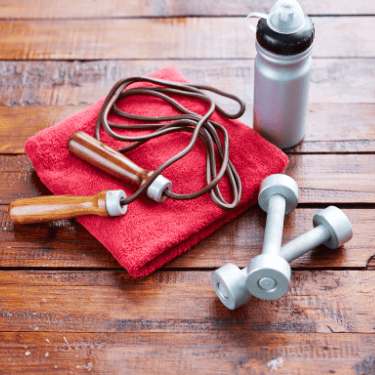
If there’s one habit that consistently supports gut health, it’s movement.
Regular exercise promotes healthy digestion and helps your digestive system function efficiently. Movement also improves circulation, which allows oxygen and nutrients to be delivered efficiently to your organs – including your gut.
The most important thing to remember: any movement is better than none.
You don’t need intense workouts to support your digestive system. Even light activity, like walking, can make a difference.
A simple, effective goal to aim for is: 30 minutes of activity, 5 days a week.
That’s it! You don’t need to aim for perfection, just consistency. The key: the intensity must be right for you.
Exercise should support your body, not exhaust it. The “best” workout is the one that matches your current fitness level and feels sustainable.
For one person, that might be a brisk walk. For someone else, it might be strength training or cycling. Gut health improves when your body feels safe and supported, not when it’s pushed into burnout.
The Overlooked Connection: Stress and Gut Health
Stress is one of the most underestimated factors affecting gut health.
Your gut and brain are closely connected. When you’re stressed, digestion can slow down, speed up, or become disrupted altogether.
But the impact goes even deeper.
Experts estimate that around 70–80% of your immune system is housed in your gut. That means your body’s ability to defend itself is closely tied to digestive health.
Chronic stress can weaken immune function and create a ripple effect throughout the body impacting inflammation levels, energy, digestion, and overall wellbeing.
In other words, taking care of your gut also strengthens your ability to stay resilient and healthy.
Nutrition: The Foundation of Gut Health
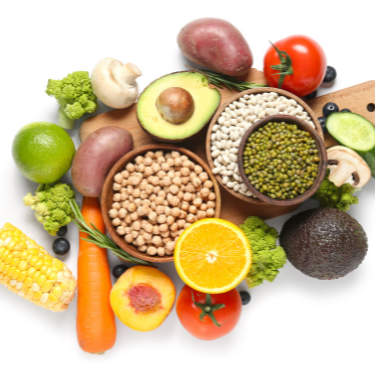
What you eat directly shapes your gut health.
Your gut is home to trillions of bacteria, often called the gut microbiome. These bacteria help digest food, produce important nutrients, and support your immune system. To keep them balanced and healthy, focus on:
- Fiber-rich foods like vegetables, fruits, beans, and whole grains
- Fermented foods like yogurt, kefir, sauerkraut, or kimchi
- Staying hydrated to support smooth digestion
Small, consistent nutrition choices can significantly improve how your gut functions over time.
The Bottom Line
Gut health isn’t just about avoiding stomach discomfort. It’s about supporting one of the most important systems in your entire body.
The biggest takeaways?
- Move your body regularly
- Aim for consistent activity like 30 minutes, 5 days a week
- Choose an intensity that supports you, not drains you
- Make consistent nutrition choices that support your gut health
- Manage stress, because your gut is deeply tied to immune function
A healthier gut can mean more energy, better digestion, a stronger immune system, and a body that feels more balanced overall.
And honestly? That’s a pretty great return on investment for a daily walk and a few supportive habits.